Category Archives: Lara Gabrielle Fowler

New items in my collection

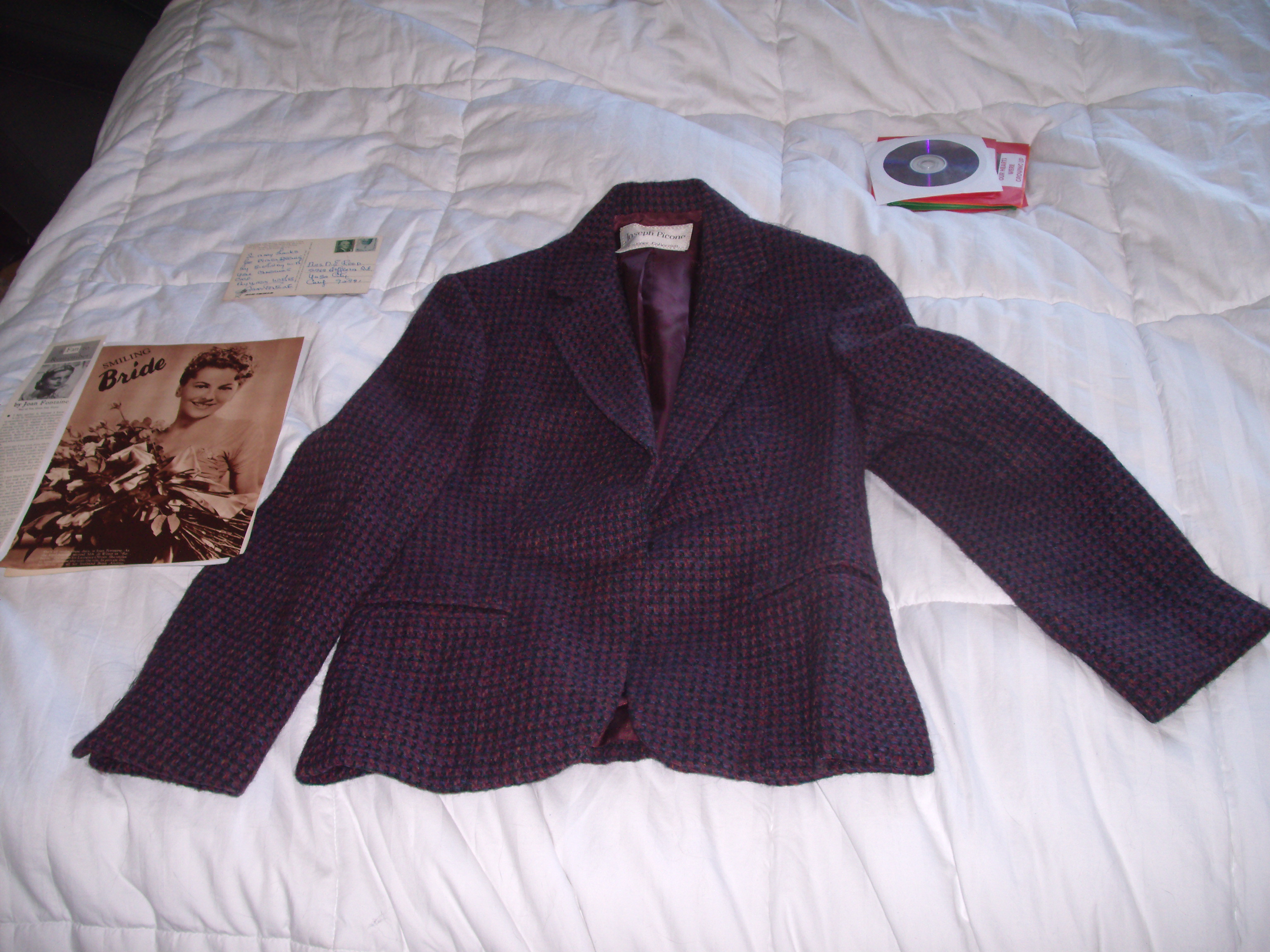
An extremely generous friend just sent me a huge amount of Joan Fontaine memorabilia. Included in this picture are:

  • 15 DVDs
  • A handwritten postcard from Ms. Fontaine
  • Magazine clippings
  • A personal coat that belonged to her.

The postcard. From the stamps, it looks like it was sent sometime in the 1970’s or so?

I am so lucky to have so many incredible friends. Seriously. I am so grateful.

CLOSING NIGHT OF THE SAN FRANCISCO SILENT FILM FESTIVAL: “He Who Gets Slapped” (1924)

The closing night of the San Francisco Silent Film Festival last night featured a screening of He Who Gets Slapped, a disturbing yet ultimately touching and poignant film. It stars Norma Shearer, John Gilbert, and Lon Chaney as “He,” a clown performing in an act at a Paris circus. Before he was “He,” the clown was Paul Beaumont, a brilliant scientist who was working on a theory on the origins of mankind, under the guidance and sponsorship of a rich baron. The movie begins with Paul’s joy at perfecting the theory, and he prepares to address the Academy of Sciences in defense of his theory. The baron tells him to leave everything to his guidance, and Paul trusts him with the details of his theory. At the Academy of Sciences meeting, the baron, instead of introducing Paul and his theory, instead claims the theory as his own. When Paul protests, the baron slaps him in front of the Academy, and everyone starts laughing. Utterly humiliated, Paul sobs on the shoulder of his wife when he returns home, only to find out that his wife is having an affair with the baron. She leaves him, and when he protests, slaps him just like at the Academy. It is then that Paul joins the circus as a clown, taking the name “He” and participating in a show called “He Who Gets Slapped,” where the entire act is based around him getting slapped. With each slap he relives his humiliation at the Academy and with his wife.

At the circus, he meets and falls in love with a beautiful horseback rider, Consuelo (Norma Shearer). She is in love with her partner in the act, the handsome Benzano (John Gilbert), and they often run off together and spend time making daisy chains in the field. One day, “He” spots the baron in the audience. The baron comes backstage and starts flirting with Consuelo, and “He” gets very upset. When he finds out that Consuelo’s conniving and greedy father, Count Mancini, is planning to sell her off to the baron, “He” finally approaches Consuelo about his love for her. At first she listens intently, then a smile comes across her face and she slaps him. “You dear, funny He–” the title cards read, “For a moment I thought you were serious–” “He” is heartbroken, and when the baron walks in with Count Mancini to tell Consuelo that she is to be married to him, it seemed to be the tipping point in “He”‘s already fragile mental state. He begins to pick fights with Count Mancini. After a series of events, “He” is stabbed with a sword by the Count, but ends up letting an angry lion out of its cage to devour them. After they are dead, he staggers out onstage to do his act, but Consuelo sees there is something wrong. He collapses and dies in her arms, telling her that he will be happy now because she will be happy. The very last scene is a surreal shot of the clowns on a huge globe, tossing his body off the world.

As “He” dies

The film was the very first production under the newly-formed MGM studios. Irving Thalberg, head of production at MGM (and future husband of the film’s star Norma Shearer), wanted it to have a winter release, so he opted to release other films first, but this was the first film MGM ever made. Sitting next to me at the screening was YAM Magazine‘s Marya, who was there writing on the film, and we discussed how intense of a first production it was. Considering that MGM would come to be known for its glamorous, glitzy musical pictures in the coming decades, the idea of such a heavy-hitting picture coming from MGM so early on is a bit staggering. It is full of metaphor and symbolism, and it is certainly a masterpiece of the silent era. If you can find it, I would highly recommend it.

Here are some key scenes:

Guest programmer on TCM: JANE POWELL

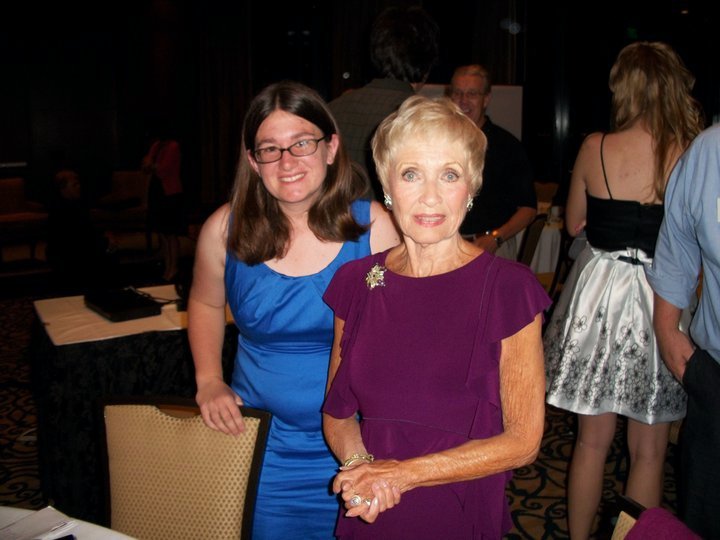
Me with Jane Powell.

I met Jane Powell in the summer of 2010 at the Judy Garland Festival in Minnesota. I found Jane to be an extremely elegant, very polite woman who is still just as beautiful today as she was 50 years ago. She is the definition of a lady–she sat with her legs perfectly crossed, very straight in her chair, gracious and generous with not a bad word to say about anyone. I was lucky enough to get her autograph and to spend a minute with her that evening. I treasure that moment.

I hope everyone enjoys Jane’s tributes on TCM this week! I know I will!

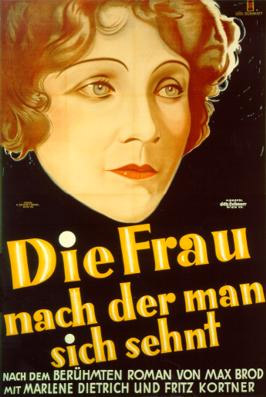
AN EVENING AT THE SAN FRANCISCO SILENT FILM FESTIVAL–Review of “Die Frau, nach der man sich sehnt” (A Woman Men Yearn For)


Last night I went to the Castro Theatre to see “Die Frau, nach der man sich sehnt” (A Woman Men Yearn For), part of the San Francisco Silent Film Festival that started on Thursday and is going on through tonight. Due to lack of finances, I have not been able to attend until now, but I’m glad that such a quality film was my first taste of this year’s film showings. The Castro boasts many festivals, including this one, the Jewish Film Festival, and the LGBT Film Festival, among others. This was my first experience at the Silent Film Festival, as the tickets are often so expensive that I have to pass them up due to inability to pay. This particular movie cost $17, for example. Steep, but I was willing to pay it for the opportunity to see this early Marlene Dietrich film, which proved to be a real beauty.
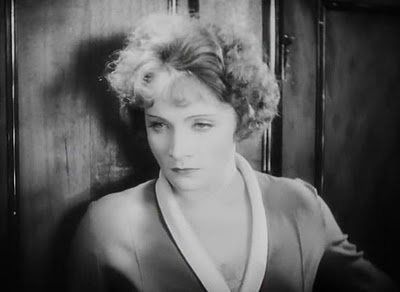
I love Marlene Dietrich. I find her to be on par with Garbo as one of the most mysterious and ethereally beautiful women ever to grace the screen. Though Marlene was not classically pretty, she knew how to work the lighting to her advantage, keeping her head at such an angle as to minimize the visibility of her turned-up nose and accentuate her more positive features. In my opinion, her large, expressive eyes are the most stunning part of her. She can say everything with a glance, and in most of her movies she drives men wild with desire just by giving them that glance. In this movie, Marlene is a woman with a secret–she and her lover, Dr. Karoff, are on a train escaping a crime they have committed, when Marlene’s character, Stascha, meets another man on the train, Henri. This man is on a honeymoon with his wife, whom he married to save the family business. He doesn’t particularly love her, though she seems to be a sweet person who loves him a great deal. Henri first catches a glimpse of Stascha through a train window covered in frost.

This is an absolutely beautiful scene. Not only is it the first time we see Marlene Dietrich in the film, but as we gaze at her, the frost on the window begins to slowly melt away. It is as if she is giving off some kind of intense heat, and though her face reflects an air of tragedy, we can see that in her own way, this woman is powerful. Henri is immediately smitten, and can’t take his eyes off her. Eventually they meet in the train, and Henri is putty in her hands. We see him basically clamor to her, rushing over to her to light her cigarette and generally being completely in awe of her. Stascha begs him to help her get away from her lover, and when Dr. Karoff discovers them, Stascha claims that Henri is her cousin. It becomes clear that there is a problem between them, but Dr. Karoff pulls Stascha off the train at the next stop, and Henri is left with his feelings of lust for her. It becomes too much for him to take, and he jumps off the train to follow her, forsaking his wife who is left in their train compartment heartbroken and crying.

Henri is captivated by Stascha.

You really feel for the wife in this movie. It is clear that she is a sweet woman who loves her husband dearly, she is affectionate and loving toward him and just seems like a wonderful girl. When he leaves her in the train, the audience’s heart just breaks for her, and yet understands why this man, acting on his lust and primitive instincts, might do such a terrible thing as to suddenly leave his wife like that. We never do learn what happens to the wife, she sort of disappears from the movie after that scene.

Stascha does everything in her power to keep seeing Henri, but Dr. Karoff is on to them. It is in this scene that we learn their secret–they have killed a man, and the police are on their tail. Stascha and Henri fall completely in love, and at one point Henri and Dr. Karoff get into a knock-down, all-out fight over Stascha. At the end of the movie, the police find them, and Stascha finally tells Henri the secret. The audience learns that not only have they killed a man, but the man was Stascha’s husband, and Stascha went along with the murder. The film ends with the police accosting them, and at the last minute, Dr. Karoff commits another murder. I won’t tell you who it is.

There is one beautiful scene, in which all three lead characters are at a New Year’s Eve party, that I think is masterfully executed. The cinematography is brilliant, with lots of very long shots (one in particular that lasts for about 1 minute) and closeups of Dietrich’s tragic expression, juxtaposed with the joy of the party. It is the cinematography of this movie that is really its saving grace, as the plot is kind of hard to follow. The fact that there are very few title cards is both compelling and confusing–nearly everything is said through the expressions of the actors, and while it makes for a beautiful piece of artistry, the plot suffers. There are a few shots that really stuck out to me, in addition to the New Year’s Eve party, there is a shot at the beginning of the inside of a steel-making machine, and the camera is positioned in such a way that it looks as though the hammer inside the machine is coming right toward the audience. A great use of the camera, and pretty advanced for 1929, I say.

I would definitely see this movie for its beauty. Not only the beauty of the camerawork and cinematography, but also of the actors. Everyone is stunning–even Dr. Karoff, who is technically the villain, has a certain charm about him. I think he looks very much like Laurence Olivier circa 1957. You may have trouble following the plot, but eventually everything becomes pretty clear. I had an enjoyable experience.

Tonight I’m going back to see He Who Gets Slapped, starring Norma Shearer, John Gilbert, and Lon Chaney. This one should be great.

Backlots is now on Twitter!

Subscribe and follow all the latest posts, at the username backlotsfilm. See you there! Thanks for reading, everyone!

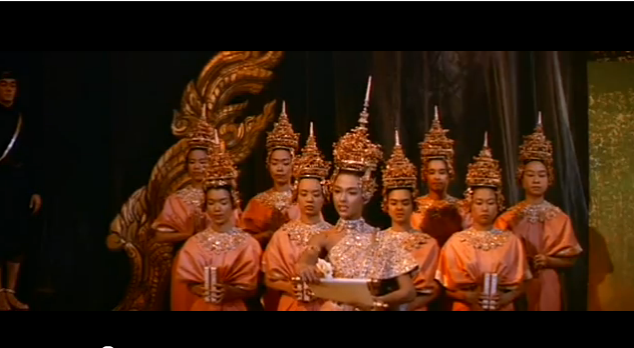
“Uncle Tom’s Cabin” Ballet Sequence, The King and I (1956)

Lying around daydreaming about movies the other day (as I tend to do), I began to think about The King and I, a movie I last saw at the Maureen O’Hara Classic Film Festival last month, and just how much I love one particular sequence in the movie. In a film that I think is chock full of quality numbers, the scene in which the servants of the king stage a Siamese version of Uncle Tom’s Cabin may be one of the most beautiful scenes ever put on film. Its use of traditional Siamese (Thai) garments, music, and dance to tell the classic story of slaves in the American Civil War is not only a clever idea within the context of the movie, but is also immensely symbolic and serves to highlight recurring themes in both stories about tolerance, equality, and freedom.

Rodgers and Hammerstein never shied away from controversial themes in their work. South Pacific, the musical that directly preceded The King and I on Broadway, dealt with many of the same issues–including interracial relationships and the importance of tolerance–ones that would become very important politically in the coming decades. Though The King and I is less direct than South Pacific in its addressing of social issues, Rodgers and Hammerstein get their message across just the same through graceful innuendo about the love between Anna and the King, more than hinting that it may be a bigger emotion they feel for each other than just friendship. Take this famous scene for example:

The King and Anna start out friendly, then around the 3:00 mark, it starts to border on romance. By 4:10, all bets are off.

It is no surprise, then, that Rodgers and Hammerstein would choose to incorporate Uncle Tom’s Cabin, the controversial anti-slavery book by Harriet Beecher Stowe, into this play. The book is viewed as crucial in shifting views of slavery in the American South, and likewise in the play, the production of the Uncle Tom’s Cabin ballet threatens the power of the king, ultimately diminishing his power against the slave Tuptim.

The symbolism of this number is far-reaching and multi-layered. The relationship to the slavery embedded in the story of The King and I is evident, and its relation to the overarching social awareness of Rodgers and Hammerstein has already been addressed. But I think it is fitting that the movie was made in the era that it was. In 1956, segregation had just been outlawed, and anger was rampant throughout the country. This scene shows tolerance and love on a global scale, as though Rodgers and Hammerstein were speaking directly to the American public and telling them us all that we should learn a lesson from what we’re seeing.

Paris in Hollywood

As I am currently waiting at the airport to go back to the United States after a 5-month adventure in Paris, my last hurrah to Paris before I return is a post on Paris in film. This is a truly magnificent city, and deserves every ounce of the respect it has been afforded in film. Here are a few notable scenes dealing with the city. I love you, Paris, and I will always have you.

An American in Paris, 1951. One of Vincente Minnelli’s masterpieces, the film follows a struggling American artist in Paris by the name of Jerry Mulligan, played by Gene Kelly, and his adventures in life and love in the city. Winning 6 Academy Awards and ranking high on the AFI’s list of the 100 best movies of all time, this is a necessary inclusion in a post about Paris in film. In this scene, Jerry entertains a group of children on the street in Paris (well, a replica on the MGM backlot).

Funny Face, 1957. A well-known film among Audrey Hepburn fans, this charming musical about the fashion world takes place predominantly in Paris. This song is sung just after the arrival of the characters in the city, and although much of it is rather corny, it’s a sweet tribute to Paris. Although the film stars Audrey Hepburn and Fred Astaire, I think that the film really belongs to the magnificent Kay Thompson, who steals the show away from them as a supporting actress.

Obviously. Casablanca, 1942. Though the vast majority of the movie takes place in Morocco, the entire film is basically a love letter to Paris. Ilsa Lund and Rick Blaine began a whirlwind love affair in Paris, and it is the city that kept them together, drove them apart, and then finally got them together again at the very end when Rick famously tells Ilsa “We’ll always have Paris.” I don’t have to go into the brilliance of this film, its immortality speaks for itself.

Gigi, 1958. Based on a Broadway play, this screen version of Colette’s classic novel is probably most well-known for Maurice Chevalier’s singing “Thank Heaven for Little Girls,” and providing American audiences with the stereotypical view of Paris. Leslie Caron is marvelous in the part, even though she was far older than Gigi was supposed to be.

Meanwhile, Lucy goes to Paris and wreaks havoc.

Gentlemen Prefer Blondes, 1953. In this scene, both Marilyn and Jane Russell have had falling-outs with their men, and having arrived in Paris, sing this song.

Gay Purr-ee, 1962. This animated story of two cats in Paris stars Judy Garland and Robert Goulet.

The Maureen O’Hara Classic Film Festival–June 17-26 in Glengarriff, County Cork, Ireland.

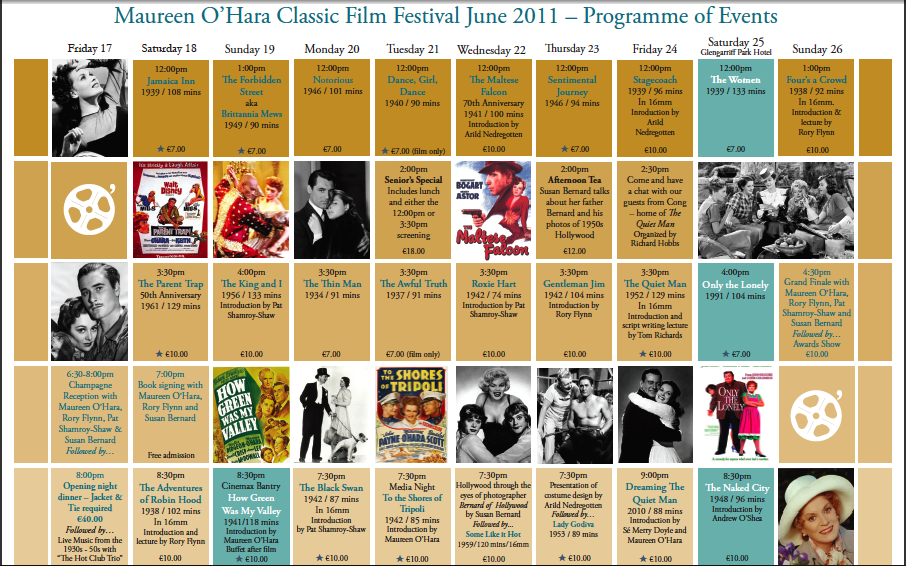
I flew to Ireland on June 15 and spent the week at the Maureen O’Hara Classic Film Festival, in a small town called Glengarriff, County Cork–the home of Maureen O’Hara herself. It was an absolutely wonderful week, filled with many great films (we watched 3 classic movies per day) and marvelous guests, including Maureen O’Hara, Rory Flynn (daughter of Errol), Susan Bernard (daughter of photographer George Bernard) and Pat Shamroy-Shaw (daughter of the celebrated cinematographer Leon Shamroy). I had a great time, and didn’t want it to end! It is so rare that we young classic film fans meet like-minded individuals our own age, and I was lucky enough to be sharing a house with a fabulous 6 of them. It was an experience I truly treasure.

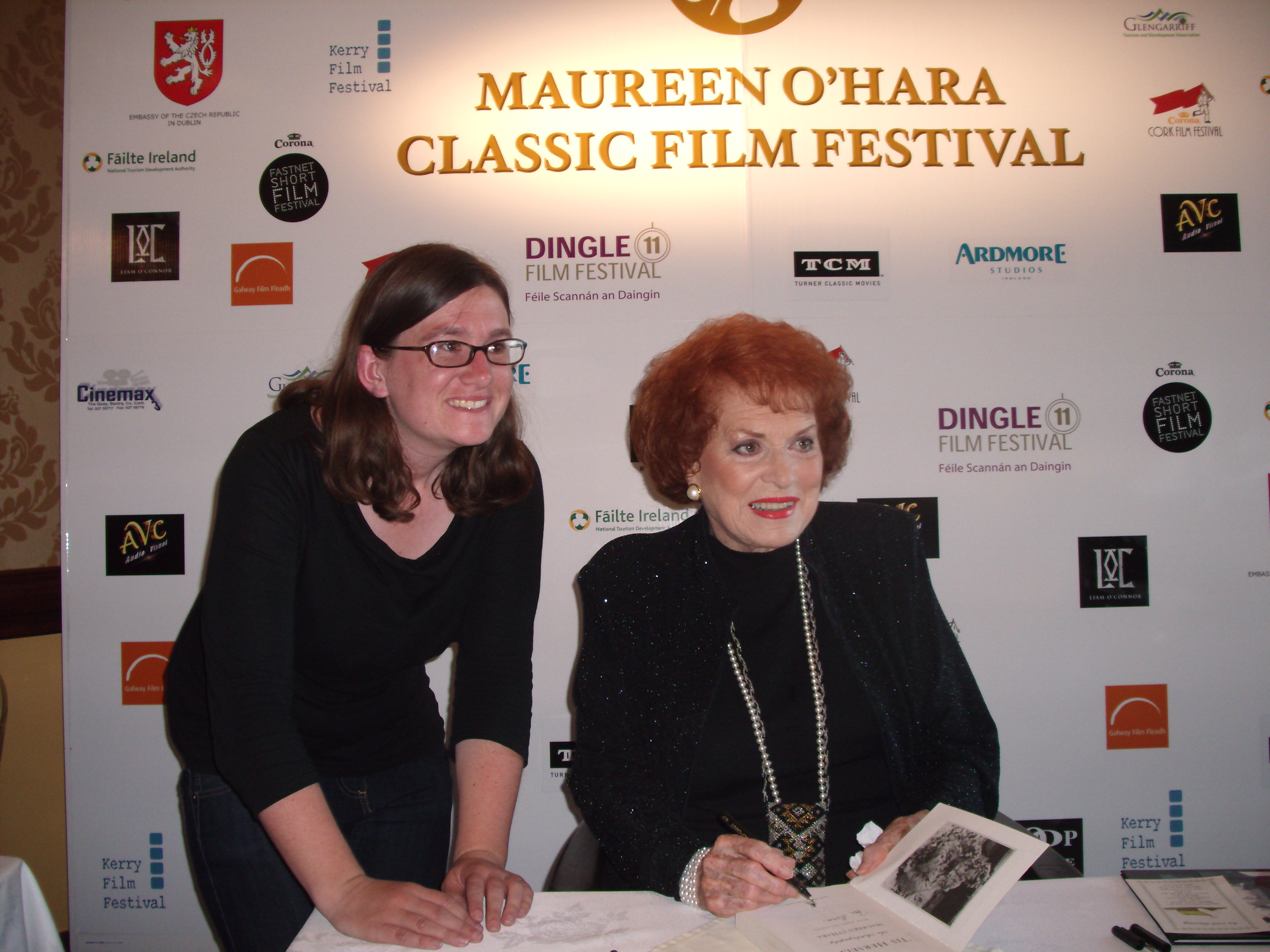
I met Maureen O’Hara and all the other special guests, and I can tell you that Maureen is one tough and feisty lady! She does use a wheelchair now, but other than that, you would never know she was 90. She has all her faculties, and is as sassy and smart as ever. She signed my copy of “Tis Herself,” and it was an honor to meet such a Hollywood legend.

Here are some pictures.

The movies we saw.

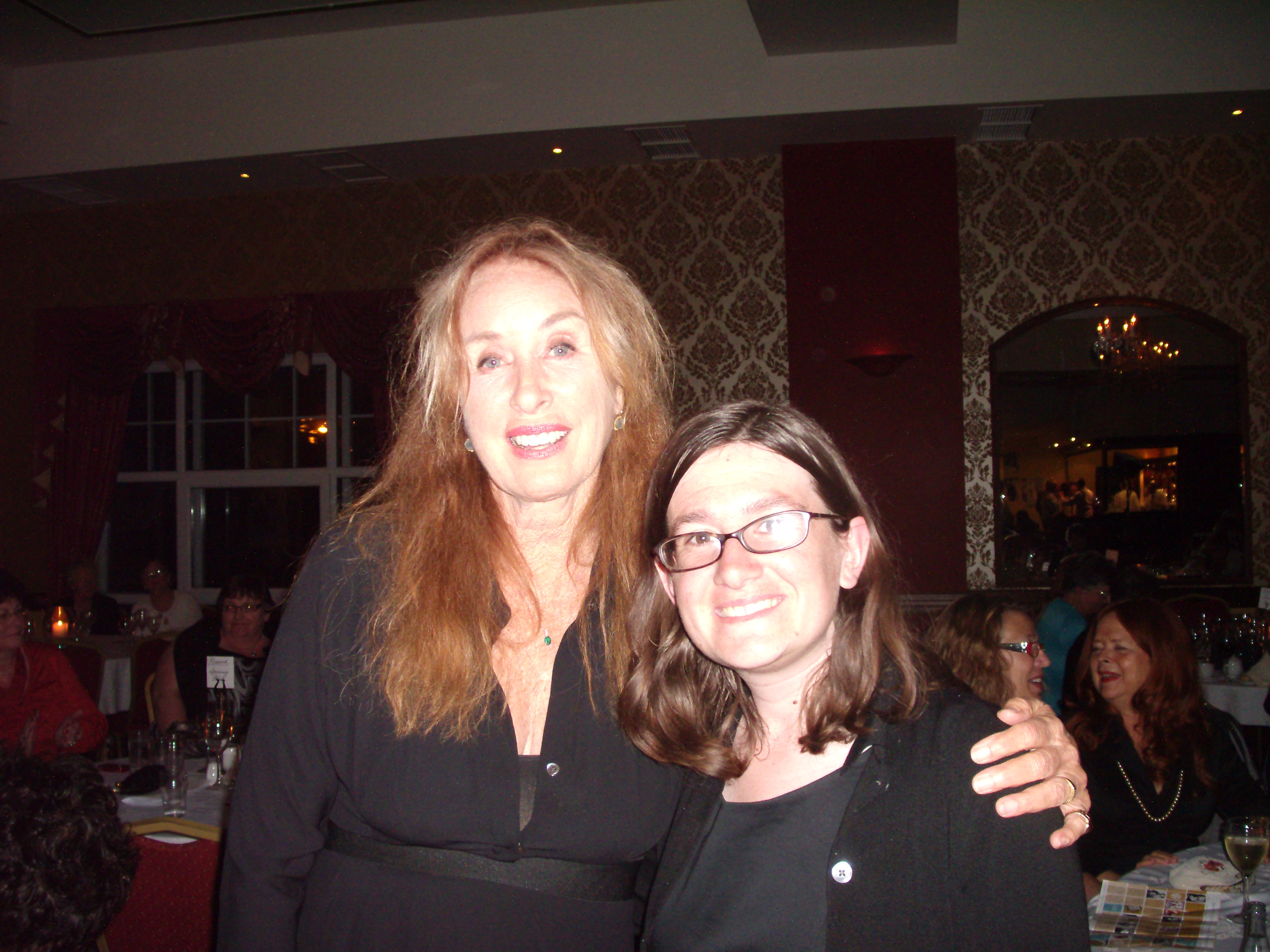
With Maureen O'Hara.

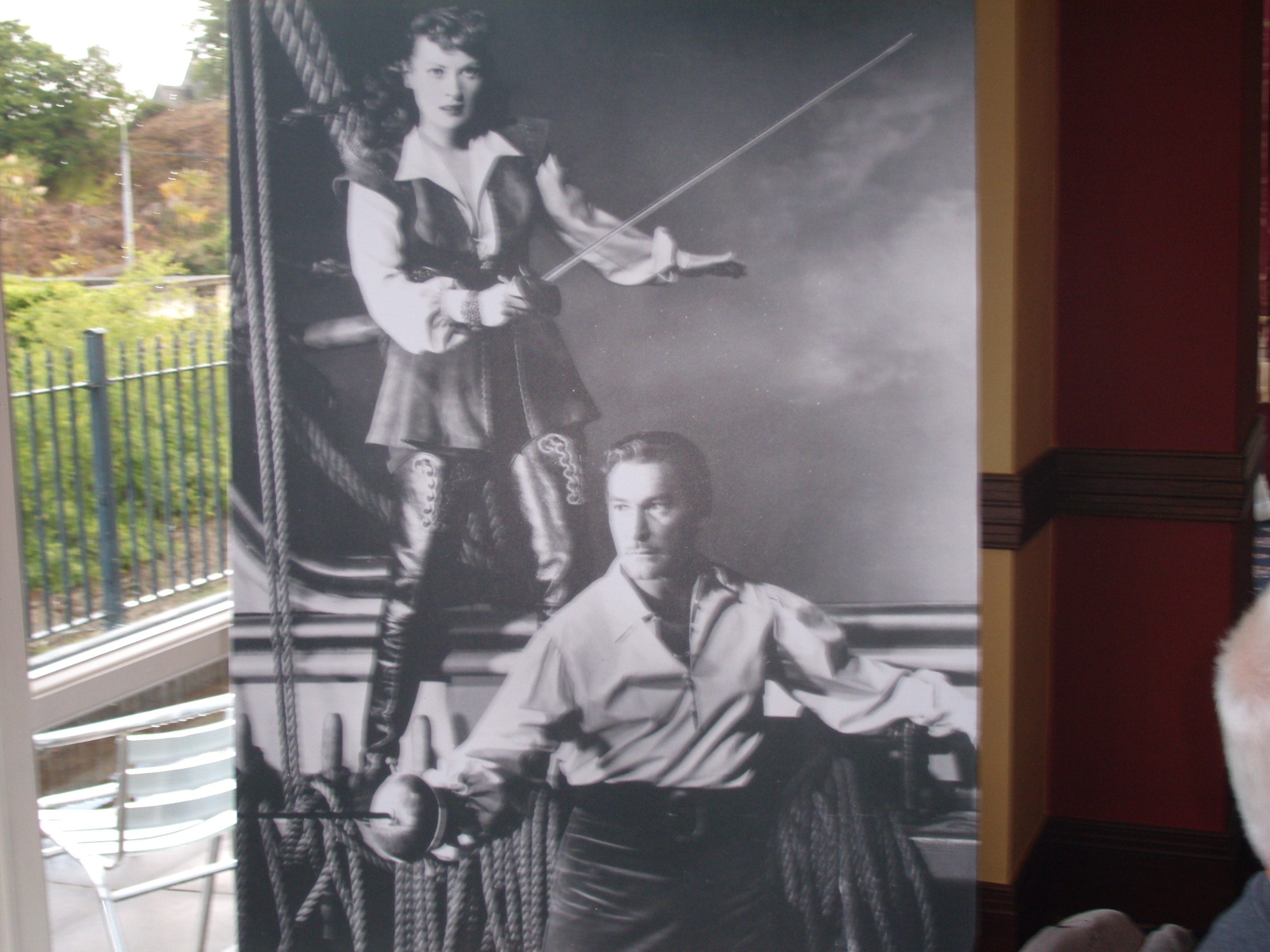
I was obsessed with this poster.

With Rory Flynn, the daughter of Errol Flynn.

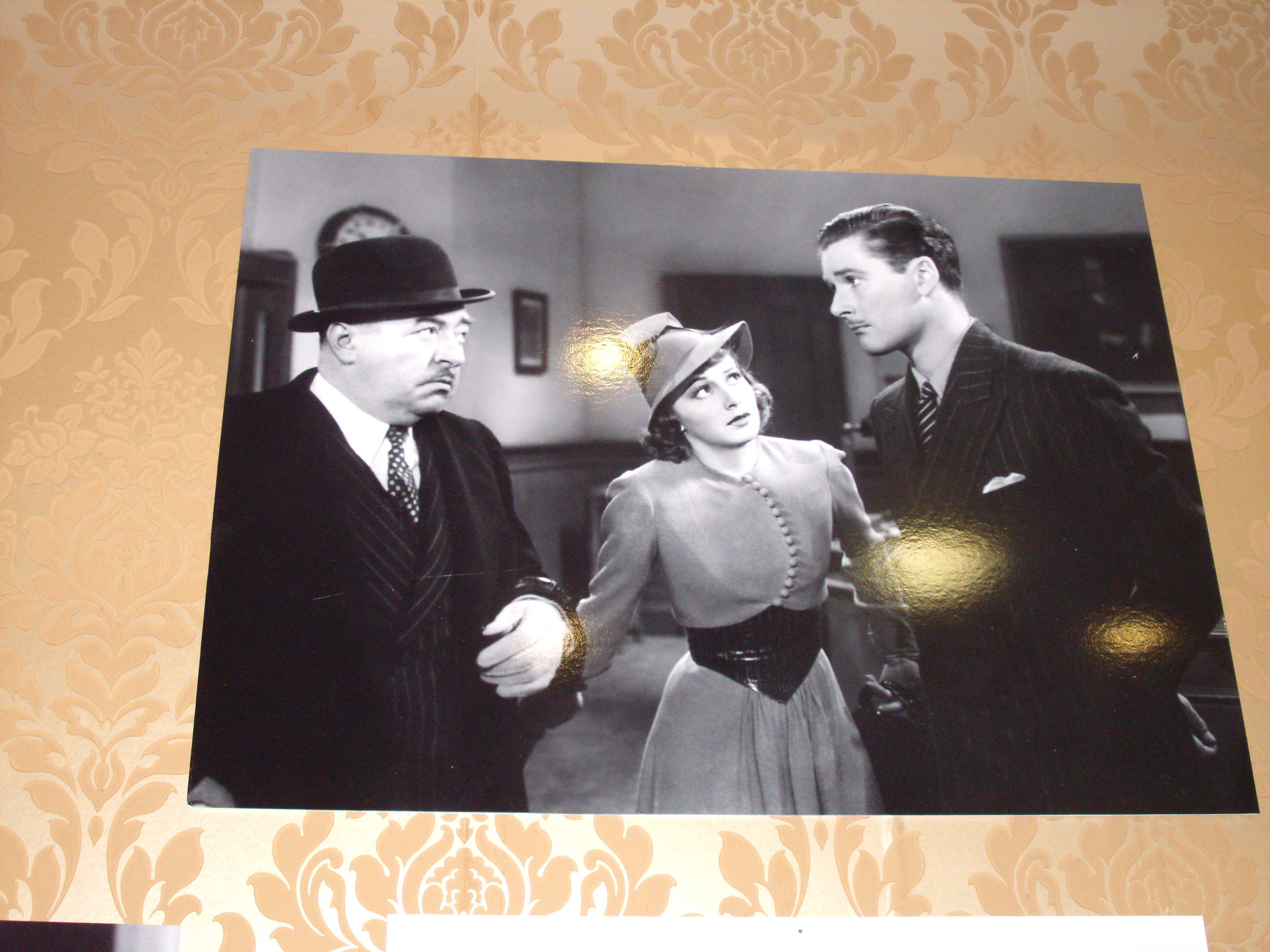
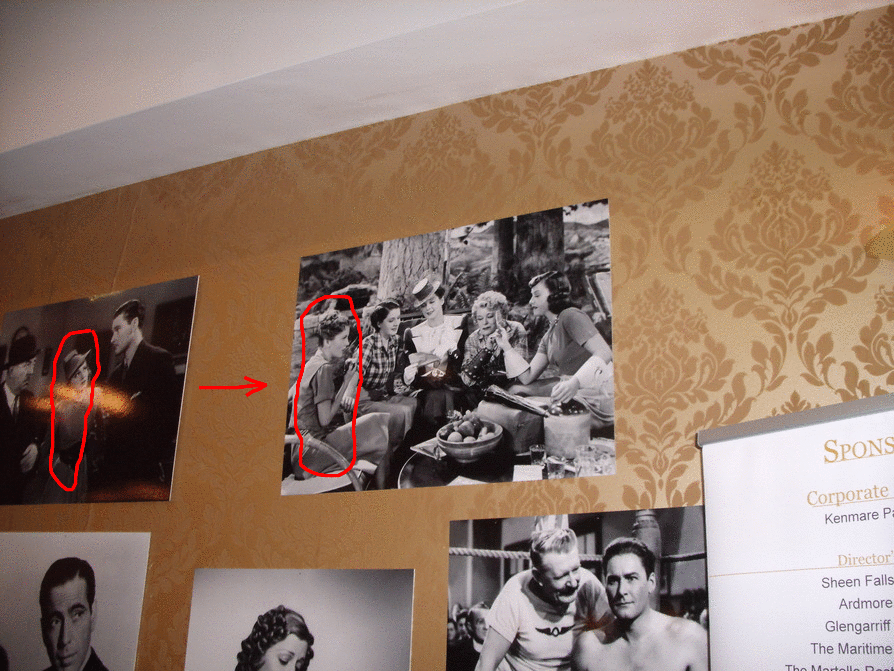
Joan and Olivia were placed next to each other on the wall. Awkward.


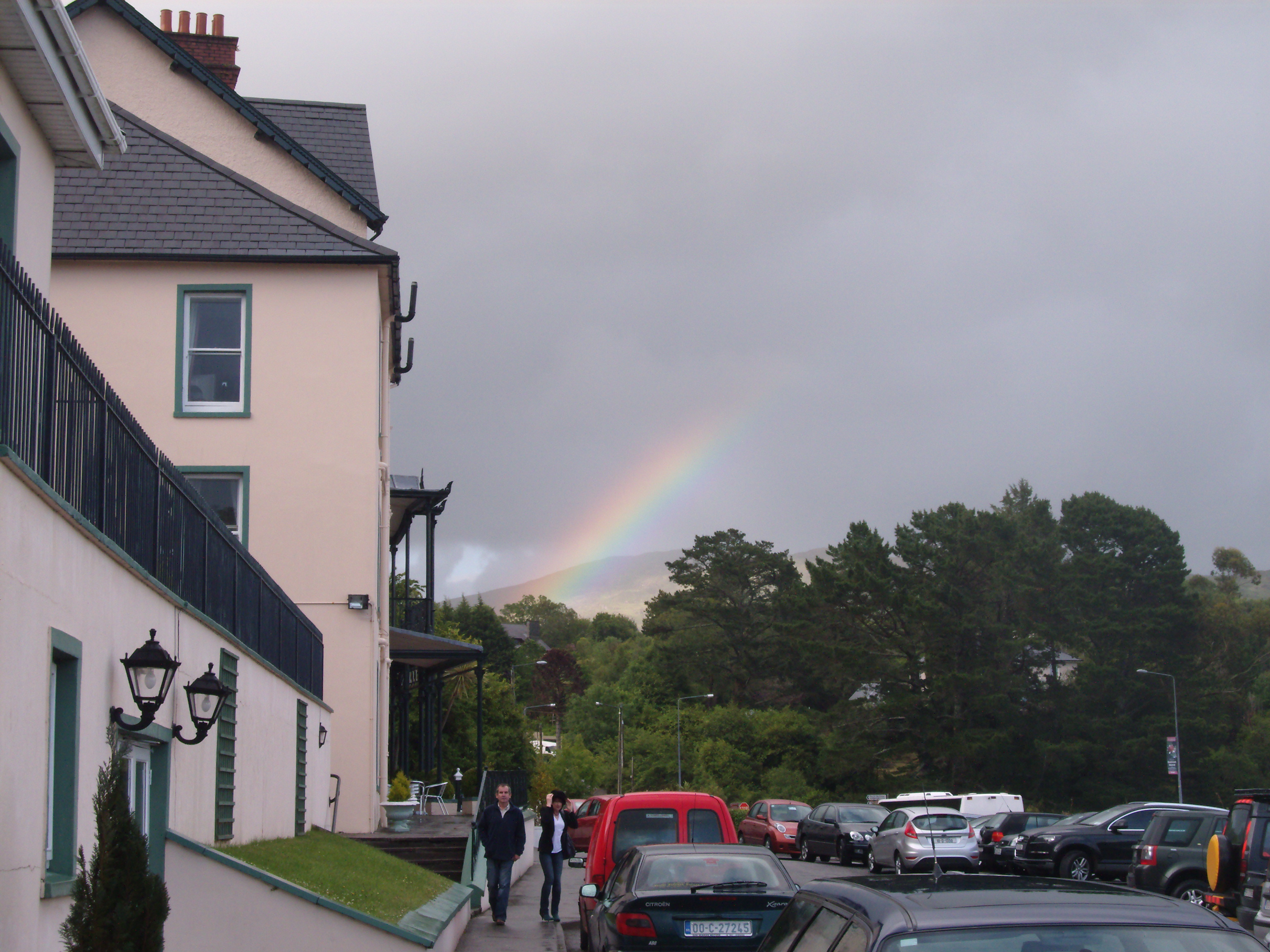
Rainbow over the hotel where the festival was held.

Whimsical Wednesday–Jack Lemmon

Support Lindon’s movie!

My friend Lindon Warren, a Judy fan and an INCREDIBLY talented Judy Garland impersonator, is making a movie! The movie is called “Finding Judy,” and it’s a documentary about his journey with Judy and how it has helped him cope with some of life’s curveballs. It has already been selected for numerous film festivals, including the Boston LGBT Film Festival, the Vancouver Queer Film Festival, and the FilmOut San Diego Film Festival, and though I haven’t seen it yet, if I know Lindon’s work, it’s going to be absolutely magnificent.

I first discovered Lindon on youtube, doing impressions of Judy in all her various incarnations–young, old, dealing with problems, etc., and I was so taken with it–these are the best Judy Garland impressions I’ve ever seen, and I’ve seen a lot. I’ve just learned about this movie and thought I would share with you, so that if you see it at a film festival near you, you will go out and see it and support Lindon.

To see some of his brilliant work, here are some clips of him doing Judy:

And my personal favorite:

And please “like” the movie on facebook ! Thanks for your support!